
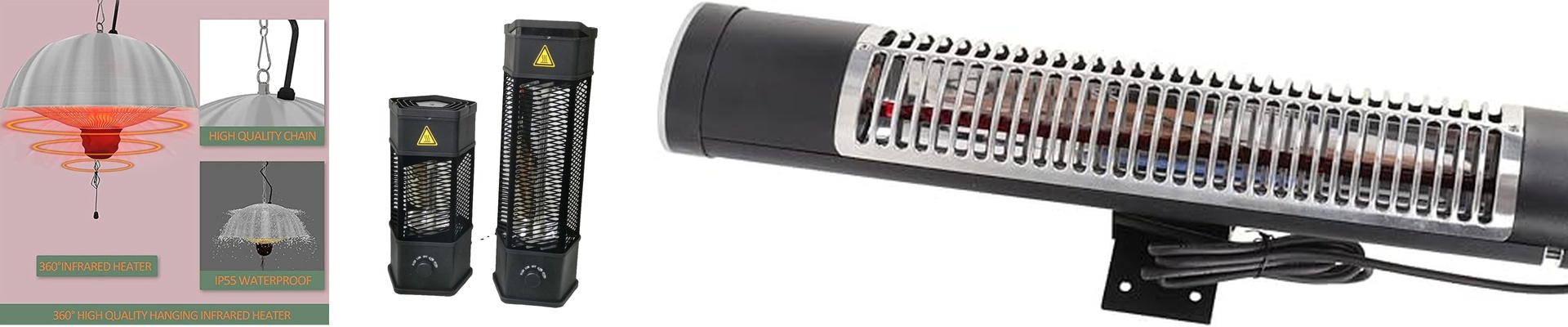
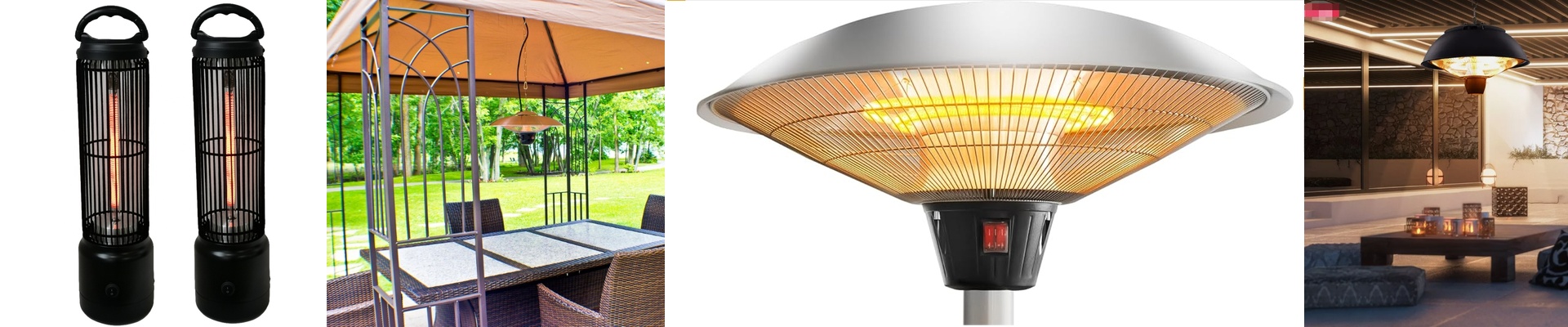

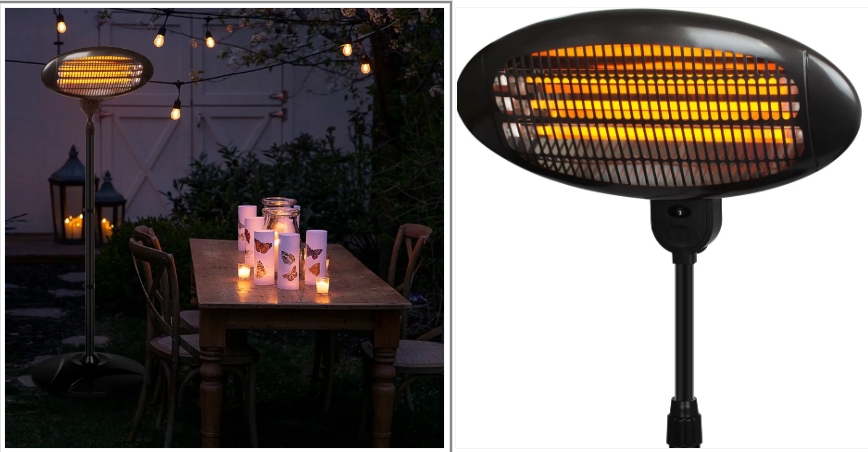
In a big living room or a workshop, standard convection heaters just move air around. You end up heating empty corners and feeling drafts, not comfort. And when the bill comes, the warmth is still missing. Infrared space heaters flip that script by putting the heat where you actually need it.
What’s really going on under the hood
Infrared warmth is radiant heat, working the same way sunlight does—warming people and objects directly, not the air between. Inside the unit, a carbon fiber element or a quartz tube comes up to temperature and throws short- or medium-wave infrared. That heat travels in a straight line, so it lands on you, not on the ceiling. A focused reflector keeps the beam tight, which cuts down on stray radiation and wasted output. And because the element only runs when it needs to, there’s no noisy fan—just a quiet glow and steady, even warmth.
Why this approach shines in the real world
In open areas, infrared clears out the dead zones that convection systems always leave behind. You feel the comfort fast—often within seconds—and the air stays calm instead of getting dry and stirred up. You’re heating the people in the space, not the empty square footage, so you’re not throwing money at air no one uses. For indoor use, that means cozy evenings without the racket of a blower. For semi-outdoor spots like covered patios or sunrooms, the directed pattern warms people directly, even when the air is chilly. The result is immediate, targeted, and consistent.
The practical stuff you need to get right
Infrared heaters work best when you’re in the line of sight. If something blocks the path, comfort drops—so placement matters. For indoor models, look for a thermostat, overheat protection, and tip-over protection. For damp locations, choose an IP-rated outdoor electric heater and plug it into a grounded outlet on a dedicated circuit. Output is measured in watts; match the size to the area, and start with a mid-range model so you don’t overpower a small space. Keep the unit clear of combustibles, and follow the clearances—safe operation is the whole point.