Stop Your Lab Glass From Cracking: The Secret is in the Heat
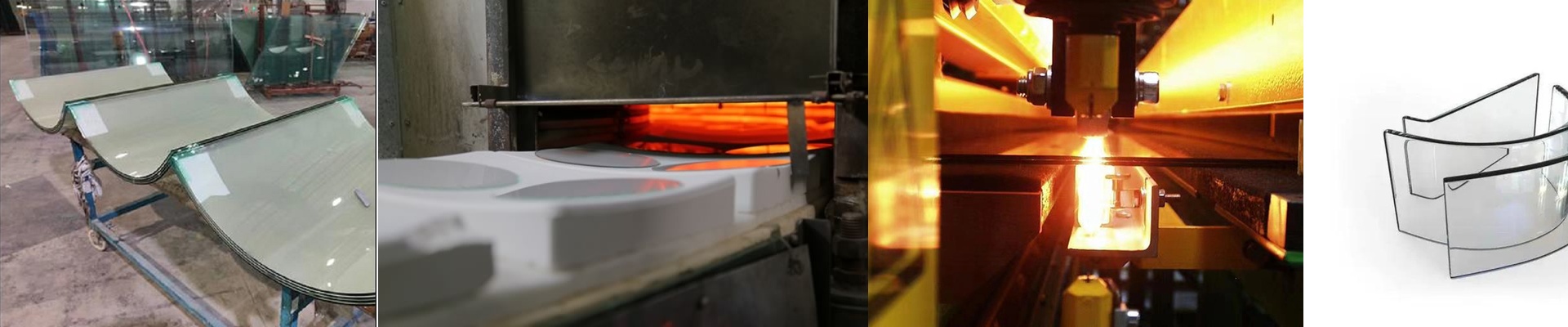
Ever had a perfectly good piece of lab glassware just… snap? It’s frustrating. Usually, it happens because the glass has “hidden” stress trapped inside it. If the temperature swings too much during the annealing process, that tension stays locked in. That’s why we’re obsessed with 0.1°C precision. We use infrared heating to keep the glass exactly where it needs to be so the material can actually relax without losing its shape. Why that tiny fraction of a degree matters Most heaters are clumsy. They overshoot the target, then overcorrect. But in this world, a 2°C mistake is the difference between a beaker that lasts a decade and one that shatters the moment it hits a thermal shock. We use high-resolution PID controllers with infrared elements to kill those temperature spikes. It keeps the glass in that sweet spot—where it’s soft enough to let go of the stress, but not so soft that the whole vessel starts to sag. Ditching the oven for infrared Standard convection ovens just move hot air around. And let’s be honest: air is a terrible conductor. Infrared is different. It dumps energy directly into the glass surface. It’s faster. It’s more focused. Plus, we tune the wavelength to match the specific glass you’re using, whether it’s borosilicate or soda-lime. You aren’t wasting power heating up the walls of a giant furnace; you’re putting the heat exactly where it belongs. The trade-offs (and how to handle them) Here’s the catch: you can’t just blast the glass with max power and expect it to stay stable. If you do, you get “hot spots,” and you’re right back where you started. To keep things steady at 0.1°C, we use pulsed power modulation. It’s a bit more technical, and it means your power supplies have to be up for the task. One last tip: shield your sensors. If you don’t, the electrical noise from the infrared drivers will mess with your readings, and your precision goes right out the window.