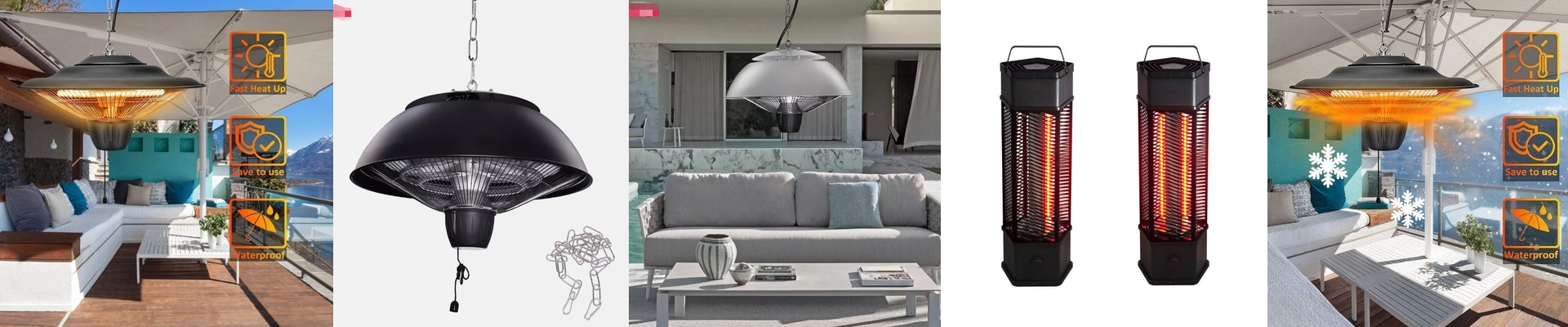
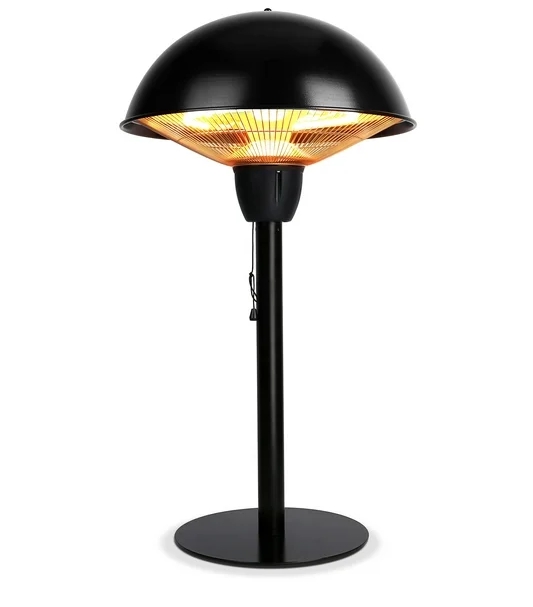
Getting the Heat Right in Your Bathroom
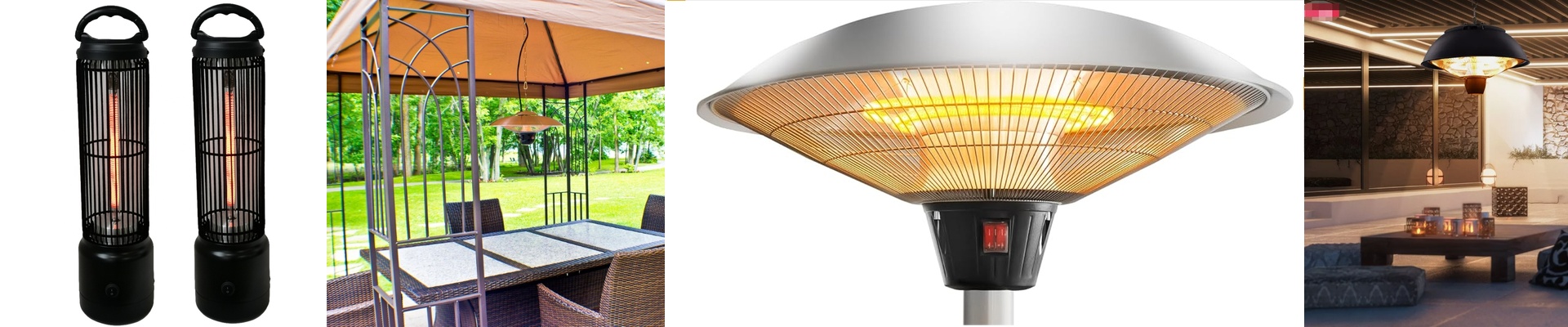
When you’re picking out infrared heaters for the bathroom, your first instinct might be to just go for the most powerful one on the shelf. But here’s the thing: more power isn’t always better. It’s really about finding that sweet spot where the heat matches the size of your room and how well your walls hold onto warmth. You don’t want to blow your energy bill or turn your bathroom into a sauna.
Sizing it up
Think about where the heat actually goes. It leaks out through the ceiling, the walls, and the vent. If you’ve got a tiny powder room (under 4m²), a smaller lamp—somewhere between 250W and 400W—usually does the trick. If you shove a 1000W beast into a tiny space, it’ll get hot way too fast. The thermostat will just keep clicking on and off every few seconds. That “short-cycling” is a killer; it wears out the internal parts much faster than they should. For those big master baths (around 8m² to 12m²), you’ll need a bit more muscle. We usually suggest a few 600W to 800W lamps. This spreads the warmth around the room so you don’t have one scorching hot spot and one freezing cold corner.
Dealing with the steam
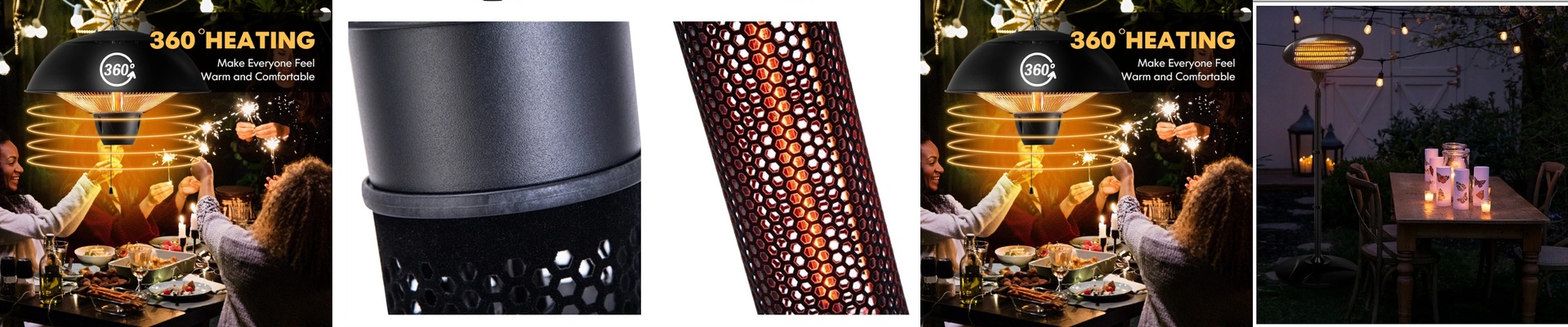
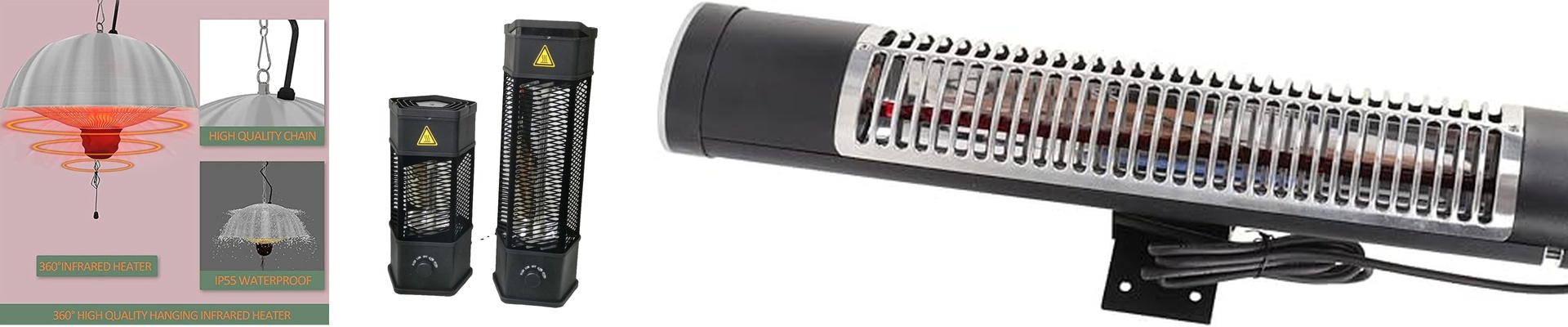
Bathrooms are honestly pretty brutal on electronics. Between the steam and the occasional splash, most heaters just corrode or short out. That’s why we stick to IP65 standards. In plain English? It means the housing is tight enough to keep dust out and can handle a direct jet of water without breaking a sweat. We use sealed gaskets and moisture-proof terminals so water can’t sneak into the electrical bits. It just works, and you don’t have to worry about it.
A quick warning on high wattage
Sure, a higher wattage means you’ll feel the heat almost instantly. But there’s a catch. High-power lamps pull more current, which puts a lot more stress on your home’s wiring. If you swap a low-power lamp for a high-wattage one without checking your setup, you might trip your breakers—or worse, melt some thin wires. Just double-check what your circuit can actually handle before you upgrade. It’s a five-minute check that saves a huge headache.