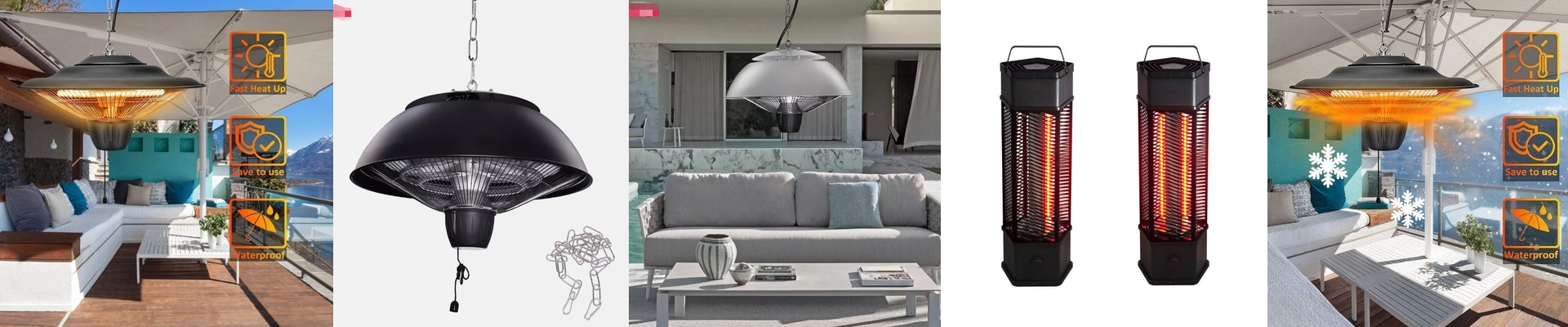
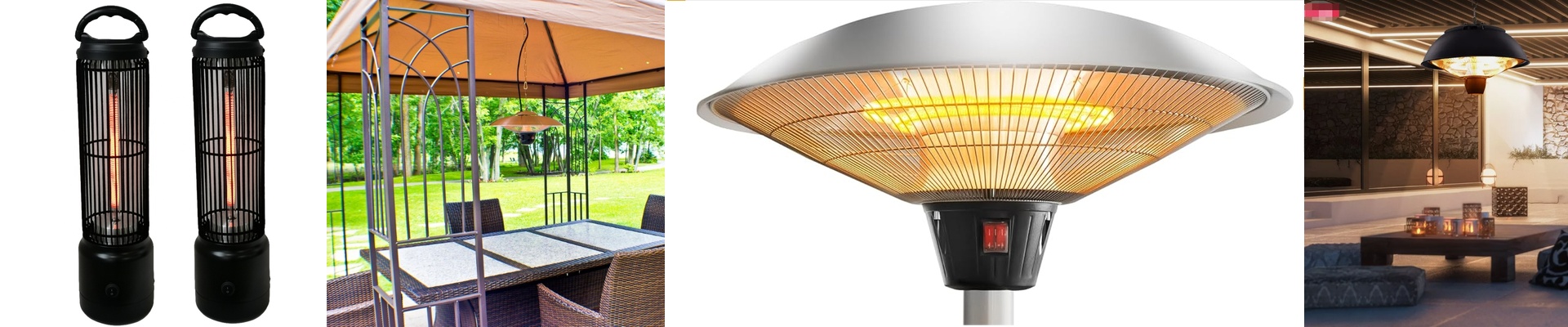
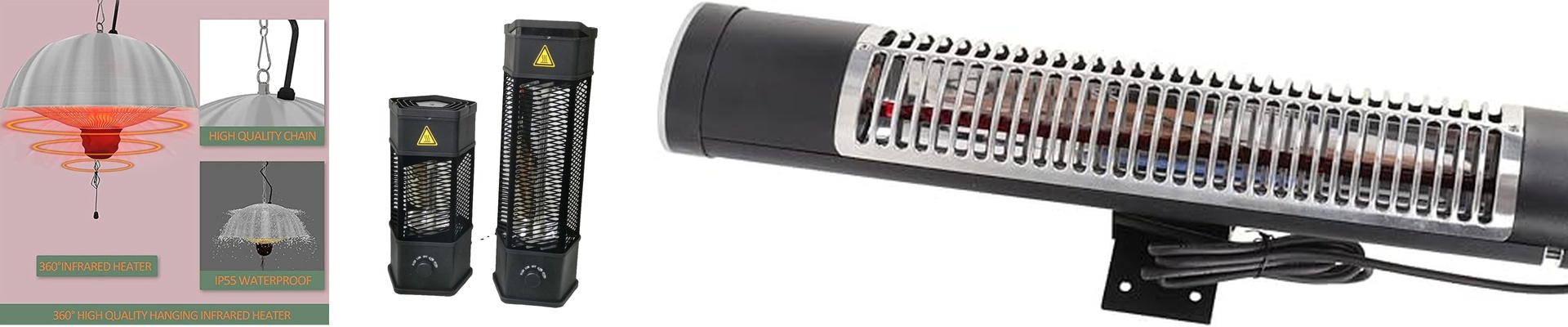
Corner Fireplace Heater: The R7s Halogen Quartz Lamp, Explained
We built this corner fireplace heater to be a straight-up replacement for infrared heating, especially in tight industrial spaces. Think of it as a halogen quartz lamp that packs a serious punch into a small footprint. It’s all about getting intense heat where you need it, without taking up a lot of room.
Power, Voltage, and Size: The Nitty-Gritty
This unit runs at2500W and 400V. That 400V rating isn’t just a random number. It means you can run the power over longer distances with thinner wires, which keeps the copper costs down in your control panel. The 2500W output is what gives you that high heat density in a compact design. It heats up fast—no waiting around. And the tube itself is just300mm long, so you get a focused heating zone that fits perfectly into those awkward corners and cramped machine frames.
The Design: Built to Take the Heat
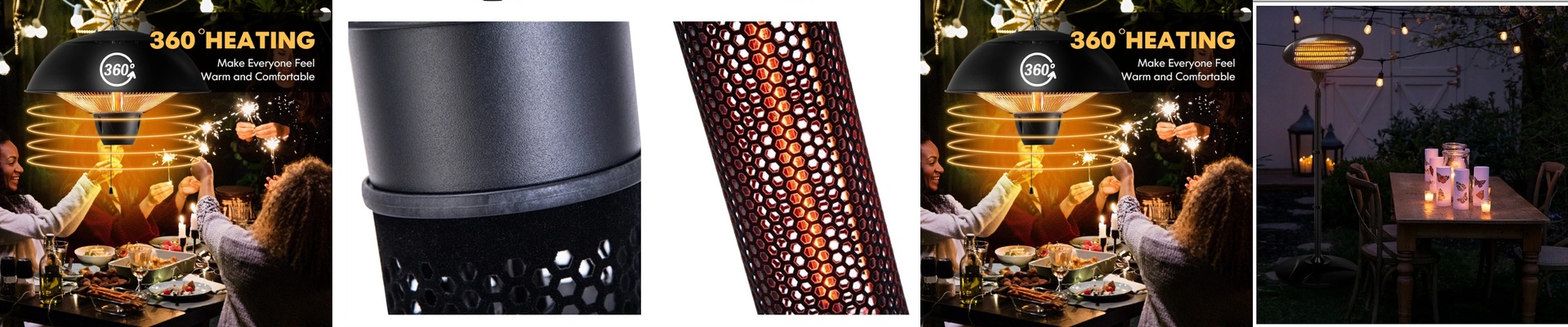
We went with a quartz envelope because it can handle those sudden temperature swings without breaking a sweat. It keeps the output steady, which is exactly what you need. The halogen fill does the heavy lifting, protecting the filament. That means the lamp won’t burn out quickly, even with all those on-off cycles. The quartz surface is coated, too. This helps manage the IR wavelength and cuts down on the glare. It’s a small detail that makes a big difference for operator safety and keeps your process consistent. And that**R7s base?**It’s a simple, two-pin connection that locks in securely. It installs quickly and stays put, even in those tight, confined heater housings.
Why It Works for Corners (And What to Keep in Mind)
This setup was made for corner heaters and fireplace modules where space is at a premium but power can’t take a back seat. You get fast heat-up and focused infrared energy, so you can keep your cycle times moving without having to redesign the whole machine. Here’s the thing, though. Packing 2500W into this kind of space generates a lot of heat. So you need to make sure your machine’s cooling and ventilation are up to the task. It’s a trade-off: you get incredible heat density, but you have to plan for it to keep everything running smoothly.