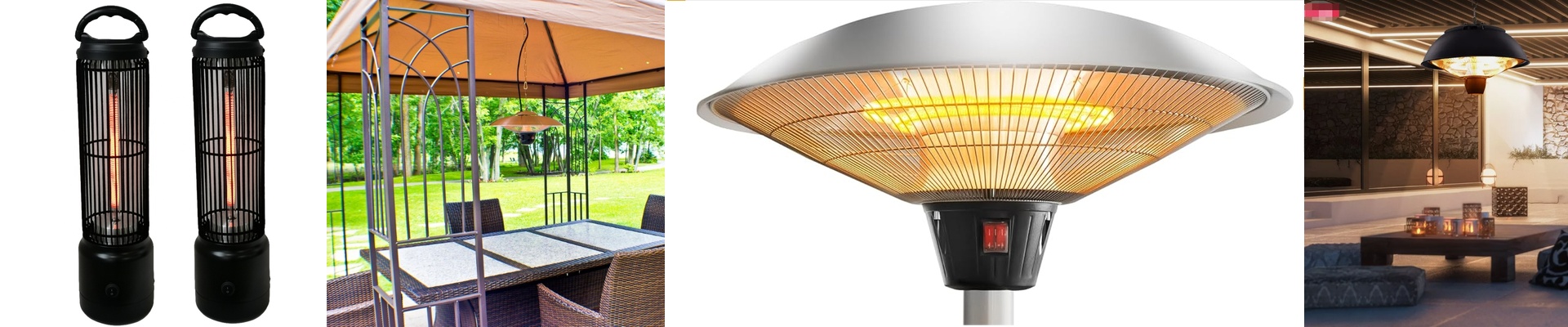
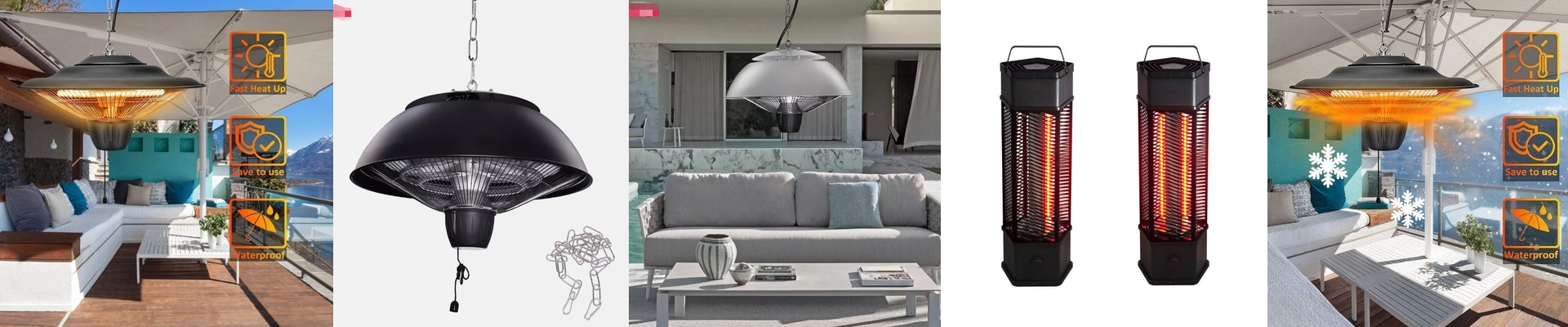
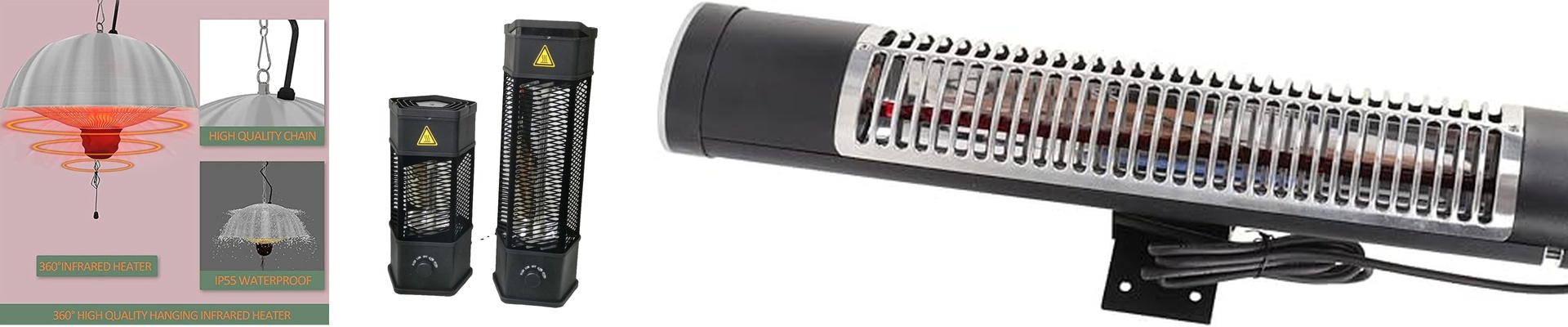
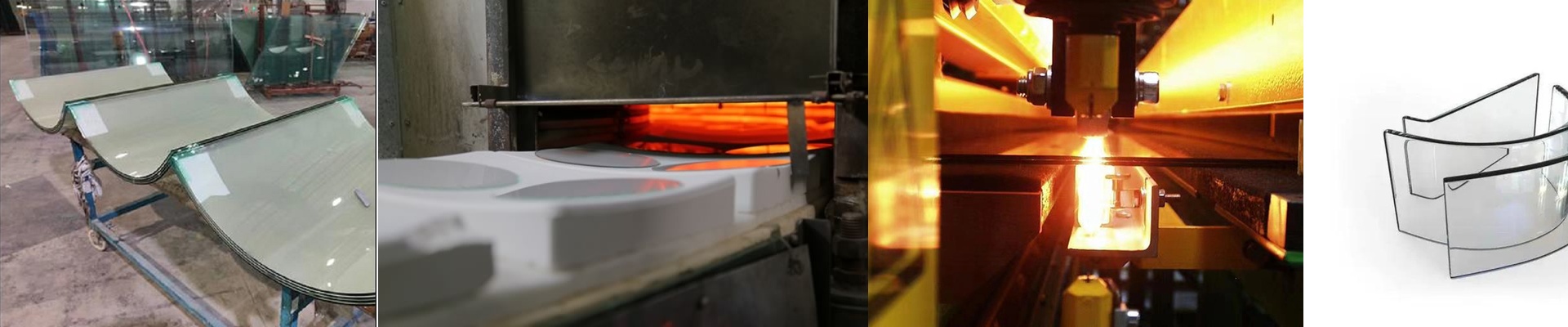
The Power Behind the Warmth: Getting to the Electrical Specs
Here’s the reality we built these patio heaters around: you need serious heat packed into a small space. We went with a 400V rating for a reason. It pushes power efficiently through longer wire runs without drawing down the house. And when you pair that with a 2500W output on a 300mm tube? You get heat, fast. This isn’t some wimpy consumer element. It’s a workhorse, designed to actually warm up a big outdoor area. Just remember, you’ll need to plan your circuit protection and connections accordingly.
What’s Inside: The Materials and Design Choices
Inside, you’ve got a halogen heating core tucked into a quartz envelope. It can handle the extreme heat of the filament and won’t crack under thermal stress. The reflective coating is there to do one simple job: push infrared energy downward where you need it, not up into the sky. And the R7s base? That’s a classic industrial connector for these linear tube heaters. It holds tight and makes replacing a lamp a simple, straightforward job when you’re out in the field.
Built for the Job: Real-World Patio Heating
We engineered these for commercial patios, where you need predictable performance and an installation you can repeat. You get the shortwave infrared, the smart reflector, and the R7s connector all in one rugged package. It’s the kind of module you can spec in bulk and trust to perform the same way every single time. But there’s a trade-off. That high watt density means you need to give it proper clearance and enough ventilation. It’s just how you keep everything around it from getting too hot.