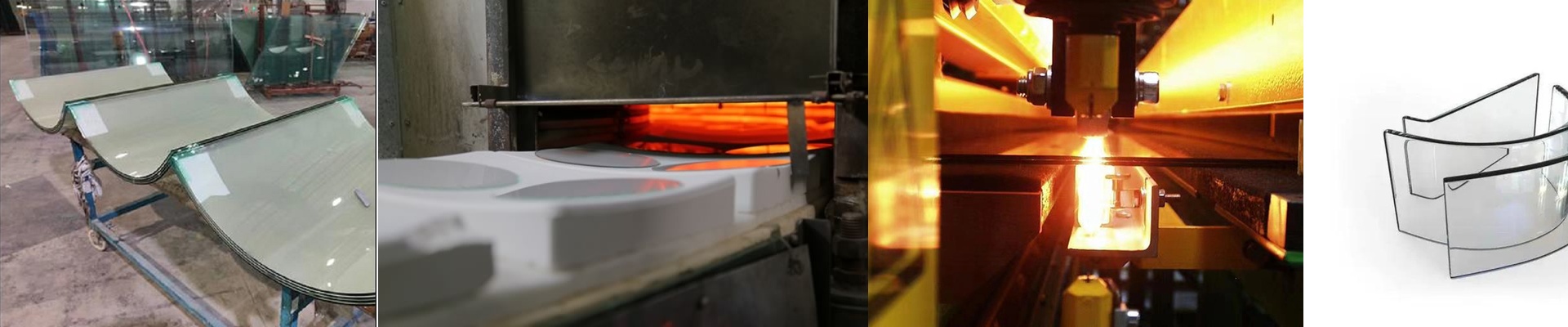
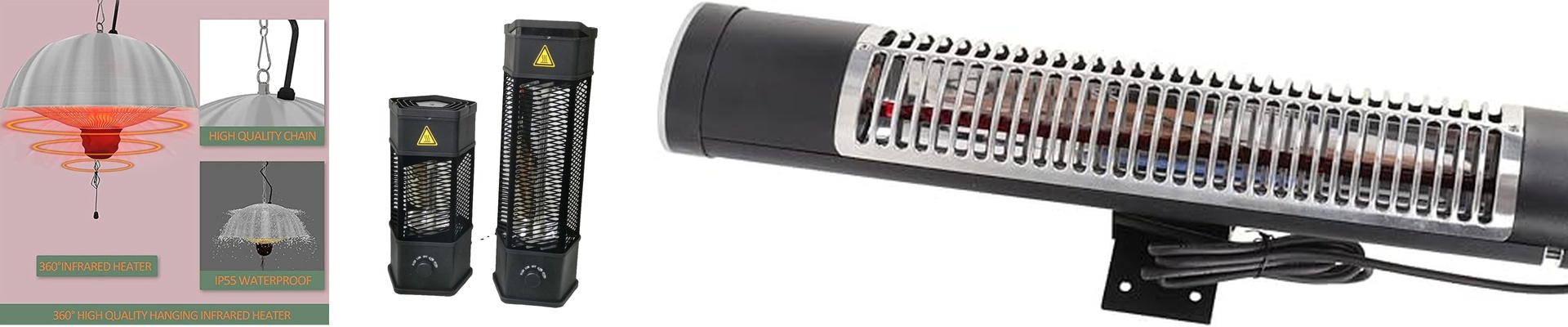
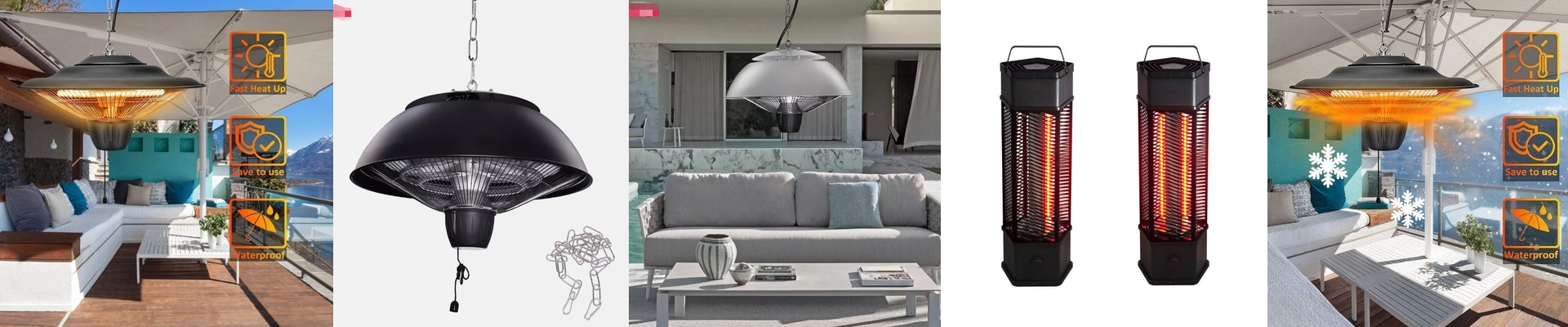
Out on the cold end of the line, coating cure and cycle time are where the money is made or lost. Underpowered or aging heaters turn drying into the bottleneck—slow ramp-up, uneven temperature across the glass, and kWh that piles up every shift. When the oven can’t deliver fast, uniform heat, you’re stuck: either risk residual solvents and adhesion issues, or throttle the whole line down to compensate. What matters under the hood We built this cold-end dryer around short-wave NIR quartz emitters, because they respond fast and pack serious power density without dumping heat into the surrounding air. You get direct energy into the coating, with minimal convection load. The system is rated for high-power industrial heating, and the spectral control is tight enough to match how typical coatings absorb. In practice, that means a quick temperature rise and a stable thermal field across the full width—less thermal stress, and fewer parts scrapped for temperature-related defects. Output stays consistent over long runs, and the modular emitter layout lets you tune zones so the profile fits the product mix you’re running. Why it holds up in real glass work In glass processing, the dryer has to keep up with tempering, bending, and lamination lines that don’t wait around. This unit comes up to temperature fast and holds it, so you can shorten dwell time without scorching edges. That adds up to more parts per hour and less off-spec glass from cure swings. Energy use drops because heat is delivered on demand, not wasted on warm-up and standby losses. We’ve seen plants cut drying energy per part by double digits while keeping coating quality in spec. The practical details you can’t skip NIR drying is line-of-sight, so fixture geometry and glass position need to be controlled; shadowing will create localized cool spots. Installation is straightforward for a retrofit, but confirm drive spacing, voltage, and cooling provisions before you commit. For the best result, match emitter power and zone tuning to your coating thickness and substrate emissivity, then run a process window test to lock the cure profile down.
冷端工艺中,涂层固化和周期时间直接关系到成本效益。加热器功率不足或老化,会使干燥成为瓶颈——升温缓慢、玻璃温度分布不均匀,以及每个班次累积的电量消耗。当烘箱无法提供快速且均匀的热量时,操作只能陷入两难:要么冒残留溶剂和附着力问题的风险,要么通过降低整条生产线的速度来补偿。
设备核心设计要点
本冷端干燥机采用短波近红外(NIR)石英发射器,响应速度快,功率密度高,同时不会将热量大量散失到周围空气中。能将能量直接传递到涂层,减少对流热负荷。系统额定用于高功率工业加热,其光谱控制精确,能匹配涂层的典型吸收特性。实际应用中,这意味着温度能快速上升且整个宽度范围内热场稳定,从而减轻热应力,降低因温度问题报废的零件数量。输出在长时间运行中保持一致,模块化发射器布局允许针对不同区域进行调节,以适应生产的产品组合。
实际玻璃加工中的性能表现
在玻璃加工过程中,干燥机必须跟上钢化、弯曲和层压生产线的节奏,不允许延误。该设备升温迅速,且能维持所需温度,缩短停留时间同时避免边缘烧焦。这使得单位时间内产量增加,且因固化波动导致的不合格玻璃减少。能源消耗下降,因为热量按需供应,避免了预热和待机时的能量浪费。已有工厂实现单件干燥能耗下降两位数百分比,同时保持涂层质量符合规范。
不可忽视的实际细节
NIR干燥属于直视线传热,因此需严格控制夹具几何形状和玻璃位置;阴影部分会产生局部低温区域。改装安装相对简单,但在确定之前需确认传动间距、电压及冷却条件。为了获得最佳效果,需根据涂层厚度和基材发射率匹配发射器功率及区域调节,随后进行工艺窗口测试以确定稳定的固化曲线。