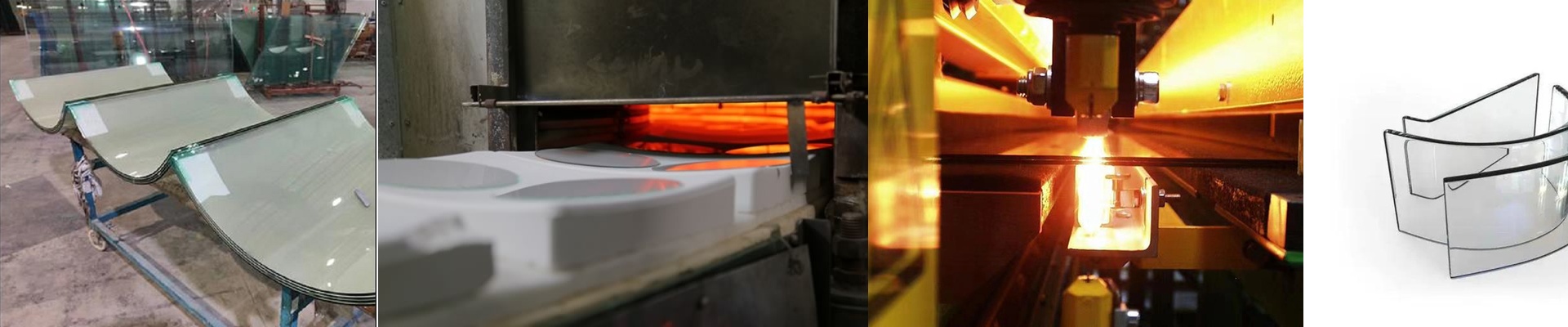
Out on the cold end of the line, coating cure and cycle time are where the money is made or lost. Underpowered or aging heaters turn drying into the bottleneck—slow ramp-up, uneven temperature across the glass, and kWh that piles up every shift. When the oven can’t deliver fast, uniform heat, you’re stuck: either risk residual solvents and adhesion issues, or throttle the whole line down to compensate.
What matters under the hood
We built this cold-end dryer around short-wave NIR quartz emitters, because they respond fast and pack serious power density without dumping heat into the surrounding air. You get direct energy into the coating, with minimal convection load. The system is rated for high-power industrial heating, and the spectral control is tight enough to match how typical coatings absorb. In practice, that means a quick temperature rise and a stable thermal field across the full width—less thermal stress, and fewer parts scrapped for temperature-related defects. Output stays consistent over long runs, and the modular emitter layout lets you tune zones so the profile fits the product mix you’re running.
Why it holds up in real glass work
In glass processing, the dryer has to keep up with tempering, bending, and lamination lines that don’t wait around. This unit comes up to temperature fast and holds it, so you can shorten dwell time without scorching edges. That adds up to more parts per hour and less off-spec glass from cure swings. Energy use drops because heat is delivered on demand, not wasted on warm-up and standby losses. We’ve seen plants cut drying energy per part by double digits while keeping coating quality in spec.
The practical details you can’t skip
NIR drying is line-of-sight, so fixture geometry and glass position need to be controlled; shadowing will create localized cool spots. Installation is straightforward for a retrofit, but confirm drive spacing, voltage, and cooling provisions before you commit. For the best result, match emitter power and zone tuning to your coating thickness and substrate emissivity, then run a process window test to lock the cure profile down.
ปลายสายการผลิตส่วนที่เป็น cold end การเคลือบและเวลาวงจรการบ่มเป็นจุดที่ทำกำไรหรือขาดทุนได้ ฮีตเตอร์ที่กำลังไฟต่ำหรือเก่าเสื่อมสภาพจะกลายเป็นคอขวดของกระบวนการทำให้การอบแห้งช้าลง — การเพิ่มอุณหภูมิช้า อุณหภูมิกระจายไม่สม่ำเสมอทั่วแผ่นกระจก และค่าไฟฟ้า (kWh) ที่สูงขึ้นในแต่ละกะ เมื่อเตาอบไม่สามารถส่งความร้อนได้เร็วและสม่ำเสมอ คุณต้องเลือกอย่างใดอย่างหนึ่งระหว่างการเสี่ยงสารละลายตกค้างและปัญหาการยึดเกาะ หรือควบคุมความเร็วสายการผลิตลงเพื่อลดผลกระทบ
สิ่งสำคัญภายใต้ระบบ
เครื่องอบแห้ง cold-end นี้ถูกออกแบบด้วยผู้ออกแสงควอตซ์ NIR ช่วงคลื่นสั้น เพราะตอบสนองรวดเร็วและให้ความหนาแน่นพลังงานสูงโดยไม่ปล่อยความร้อนออกสู่บรรยากาศโดยรอบโดยตรง พลังงานที่ส่งเข้าสู่ชั้นเคลือบจึงเป็นแบบตรงจุดโดยโหลดสัมผัสอากาศ (convection) ต่ำ ระบบนี้ออกแบบให้รองรับการให้ความร้อนระดับอุตสาหกรรมที่มีกำลังไฟสูง การควบคุมความยาวคลื่นแสงชัดเจนพอที่จะสอดคล้องกับการดูดซึมของเคลือบทั่วไป ในการใช้งานจริงหมายถึงการเพิ่มอุณหภูมิอย่างรวดเร็วและสนามความร้อนที่เสถียรทั่วความกว้างเต็มที่ — ลดแรงเค้นความร้อนและลดจำนวนชิ้นงานที่ต้องทิ้งเนื่องจากข้อบกพร่องเกี่ยวกับอุณหภูมิ ปริมาณผลผลิตคงที่ในระยะเวลาที่ยาวนาน และโครงสร้างตัวปล่อยแสงแบบโมดูลาร์ช่วยให้ปรับจูนโซนได้ตามลักษณะสินค้าที่กำลังผลิต
เหตุผลที่ทนทานต่อการใช้งานกระจกจริง
ในกระบวนการแปรรูปกระจก เครื่องอบต้องทำงานสอดคล้องกับสายการผลิตเทมเปอร์ ดัด และลามิเนตที่ไม่สามารถรอได้ ยูนิตนี้สามารถทำความร้อนได้อย่างรวดเร็วและรักษาอุณหภูมิไว้ได้ ทำให้ลดเวลาพำนักของกระจกโดยไม่ทำให้ขอบไหม้ ส่งผลให้มีชิ้นงานมากขึ้นต่อชั่วโมงและลดกระจกที่เสียเกณฑ์เนื่องจากความไม่สมดุลของการบ่ม การใช้พลังงานลดลงเนื่องจากให้ความร้อนตามความต้องการ ไม่สูญเปล่าจากการอุ่นเครื่องและสแตนด์บาย พบโรงงานที่ลดการใช้พลังงานต่อชิ้นงานลงเป็นเลขสองหลักพร้อมกับยังรักษาคุณภาพการเคลือบให้อยู่ในมาตรฐาน
รายละเอียดทางปฏิบัติที่ไม่ควรมองข้าม
การอบแห้งด้วย NIR เป็นการส่งผ่านโดยตรงในแนวสายตา ดังนั้นต้องควบคุมรูปทรงของชิ้นส่วนยึดจับและตำแหน่งของกระจกอย่างเคร่งครัด เงาที่บังจะสร้างจุดเย็นเฉพาะที่ การติดตั้งทำได้ง่ายสำหรับการปรับปรุงระบบเก่า แต่ควรตรวจสอบระยะห่างของไดรฟ์ แรงดันไฟฟ้า และระบบระบายความร้อนก่อนตัดสินใจ สำหรับผลลัพธ์ที่เหมาะสม ควรจับคู่กำลังของตัวปล่อยแสงและการปรับโซนให้สอดคล้องกับความหนาของเคลือบและค่าการแผ่รังสีของวัสดุรองรับ จากนั้นทำการทดสอบช่วงกระบวนการเพื่อกำหนดโปรไฟล์การบ่มอย่างชัดเจน