Out on the cold end of the line, coating cure and cycle time are where the money is made or lost. Underpowered or aging heaters turn drying into the bottleneck—slow ramp-up, uneven temperature across the glass, and kWh that piles up every shift. When the oven can’t deliver fast, uniform heat, you’re stuck: either risk residual solvents and adhesion issues, or throttle the whole line down to compensate.
What matters under the hood
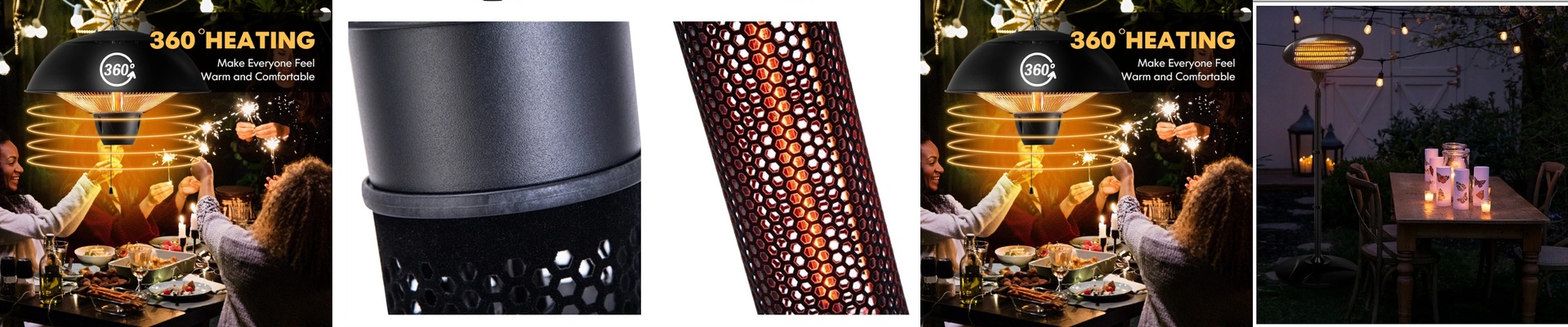
We built this cold-end dryer around short-wave NIR quartz emitters, because they respond fast and pack serious power density without dumping heat into the surrounding air. You get direct energy into the coating, with minimal convection load. The system is rated for high-power industrial heating, and the spectral control is tight enough to match how typical coatings absorb. In practice, that means a quick temperature rise and a stable thermal field across the full width—less thermal stress, and fewer parts scrapped for temperature-related defects. Output stays consistent over long runs, and the modular emitter layout lets you tune zones so the profile fits the product mix you’re running.
Why it holds up in real glass work
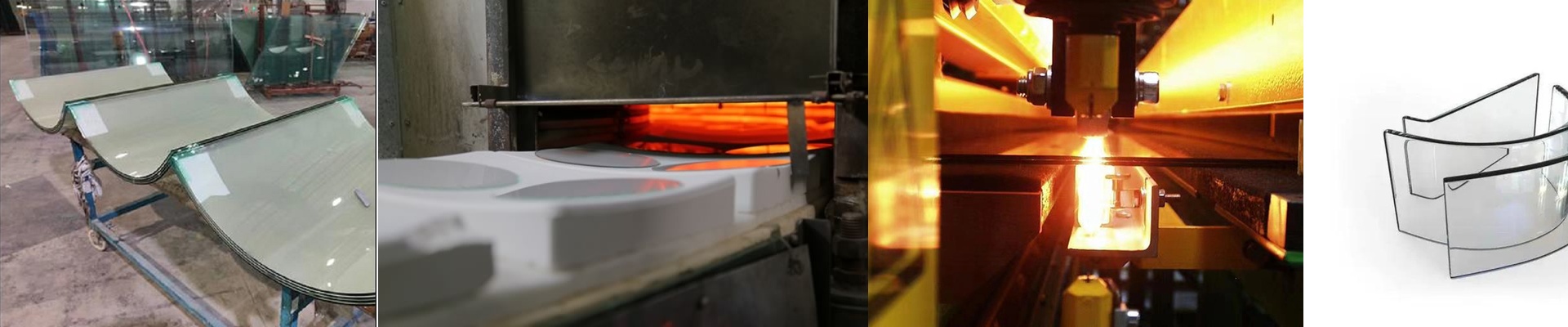
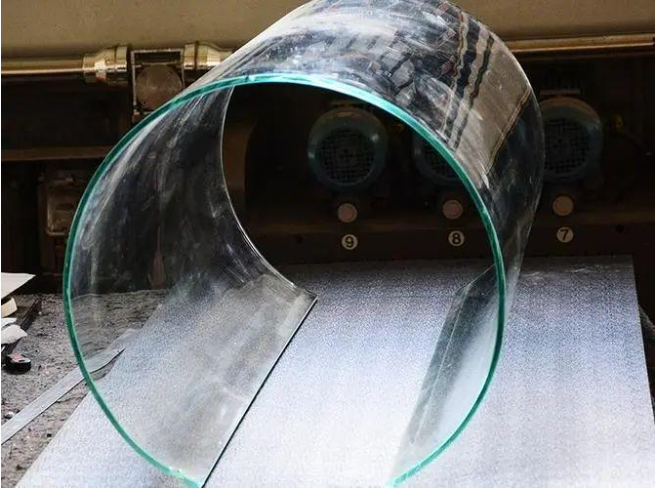
In glass processing, the dryer has to keep up with tempering, bending, and lamination lines that don’t wait around. This unit comes up to temperature fast and holds it, so you can shorten dwell time without scorching edges. That adds up to more parts per hour and less off-spec glass from cure swings. Energy use drops because heat is delivered on demand, not wasted on warm-up and standby losses. We’ve seen plants cut drying energy per part by double digits while keeping coating quality in spec.
The practical details you can’t skip
NIR drying is line-of-sight, so fixture geometry and glass position need to be controlled; shadowing will create localized cool spots. Installation is straightforward for a retrofit, but confirm drive spacing, voltage, and cooling provisions before you commit. For the best result, match emitter power and zone tuning to your coating thickness and substrate emissivity, then run a process window test to lock the cure profile down.