



Keeping Bathroom Infrared Heaters Safe for the Eyes
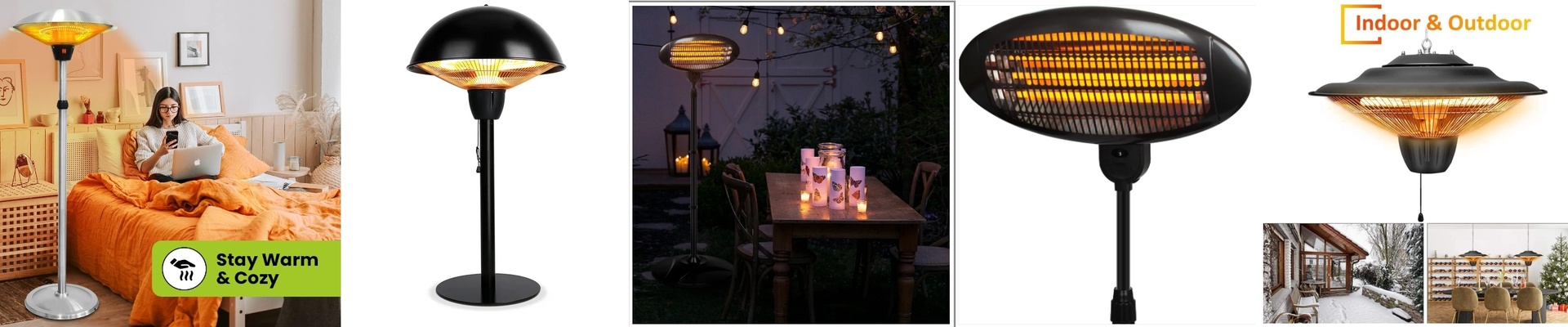
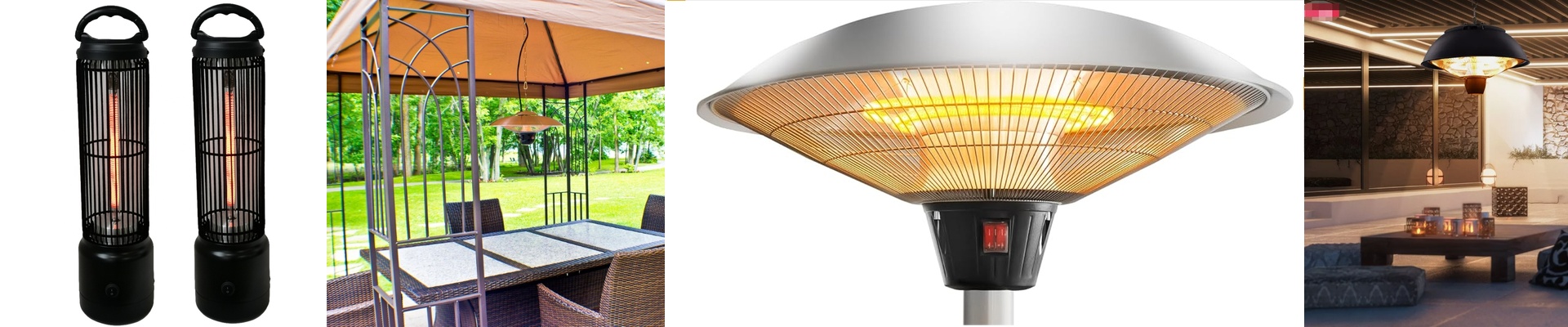
When you’re designing infrared lamps for a bathroom, you’ve got a tricky balance to strike. You want that immediate, cozy heat the second you step out of the shower, but you don’t want to blind the person standing under it. Standard short-wave lamps have a nasty habit of emitting a harsh, bright glare. In a bathroom, that’s a real problem. Think about it: people—and especially babies—are often looking straight up at the ceiling. No one wants a light that feels like a spotlight in their eyes. The trick to fixing the glare To stop that blinding effect, we use special quartz coatings or filtered envelopes. Think of these as a smart shield. They block out the visible light and that high-energy blue light that stresses the eyes, but they let the actual heat—the mid and long-wave infrared—slide right through. We shift the energy so it hits the skin, not the retina. The result? You get the warmth, but your eyes stay relaxed. Getting the setup right These lamps usually run on your standard home power (110V/220V) and pull anywhere from 250W to 600W. We use high-purity quartz glass because it can handle the “thermal shock” of turning on and off quickly without warping or cracking. But here’s the thing: placement is everything. If you mount the lamp too low, it’s too intense, and a child’s sensitive skin could get burned. Too high, and you lose that “instant hug” feeling of the warmth. We’ve found that keeping a clearance of at least 2.1 meters from the floor is the sweet spot. Comfort over raw power Now, there is a small trade-off. Because we’re filtering out those light frequencies to protect your eyes, you lose a tiny bit of total efficiency. But honestly? In a bathroom, feeling comfortable is way more important than chasing a few extra watts of raw power. One last tip: make sure you’re using heat-resistant cabling. You don’t want the insulation melting near the socket just because things got a little too toasty.